
Newsletter Subscribe
Enter your email address below and subscribe to our newsletter

 ByJohn A
Fear and greed shape crypto markets by amplifying reactions to news, liquidity shifts, and evolving risk appetites. Negative sentiment tends to shrink order books and widen spreads as traders seek capital preservation, while exuberance can spark rapid demand and leverage-driven moves. Market psychology often precedes fundamentals, creating cycles of volatility and liquidity. A disciplined framework helps separate sensational narratives from data, guiding risk controls and objective actions. The next step is to examine how turning points reveal emerging sentiment shifts.
Fear and greed are pivotal psychological forces shaping crypto price action, often driving rapid shifts beyond fundamental value.
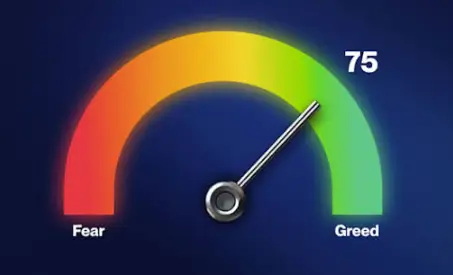
The analysis notes a fear index signals risk aversion spikes, while greed cycles amplify momentum.
Investor psychology responds to liquidity and news, shaping market sentiment.
This framework supports disciplined interpretation, emphasizing objective data over sensational narratives and guiding prudent, freedom-oriented trading decisions.
Market dynamics in crypto are tightly coupled with the emotional states of participants, where shifts in sentiment directly influence price action and liquidity provision. The analysis tracks fear indicators and optimistic spikes, linking observed volatility to collective market psychology. Emotions modulate risk tolerance, affect order-book depth, and shape liquidity flows; interpretive clarity aids understanding of price formation beyond fundamentals.
The analysis emphasizes panic indicators, liquidity psychology, and market perception, framed by behavioral finance principles.
Implement robust risk management, diversified hedging strategies, and objective decision criteria; seek disciplined adherence over sentiment, while acknowledging empirical limits and fostering freedom through transparent, methodical evaluation.
See also: What Are Crypto Debit Cards?
As the prior discussion on mitigating bias and safeguarding capital yields practical criteria, attention shifts to how fear evolves and signals shifts in market momentum.
Fear indicators illuminate turning points as liquidity returns, risk appetite adjusts, and volatility contracts or spikes.
Market psychology gauges collective posture, distinguishing fading panic from renewed exuberance, guiding calibrated risk decisions amid asymmetric crypto dynamics.
The market’s mood swings, observed with clinical detachment, reveal a stockroom of fear and greed where prices flicker like temperamental shelves. Empirical signals—order-book thinning, volatility spikes, and liquidity shifts—test theory as traders multitask under pressure. Satire aside, discipline remains the only hedge: quantify risk, resist sensational pivots, and respect turning points. When fear wanes, positions should deflate; when it intensifies, capital protection takes precedence. In short, psychology bows to prudent risk management, not contrarian bravado.




[…] See also: How Fear and Greed Affect Crypto Markets […]